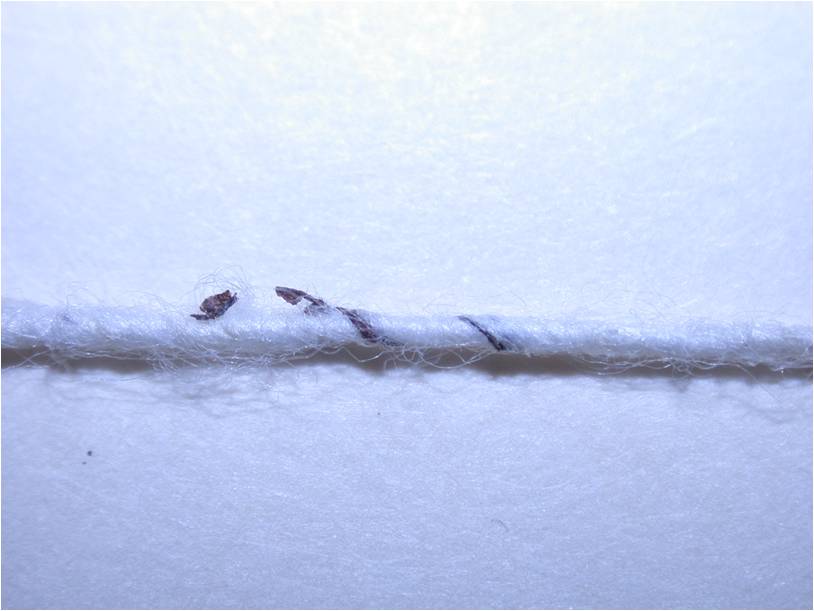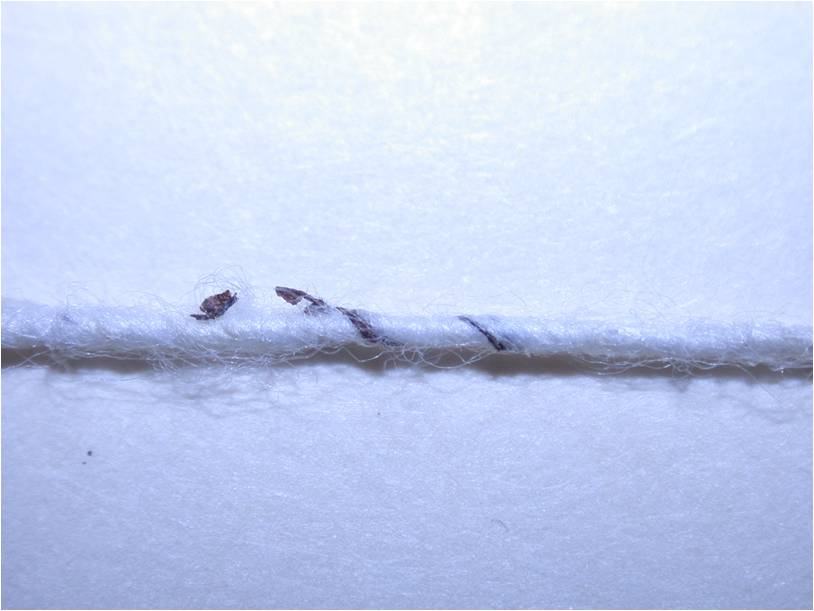
There have been some concerns and questions levels of bark after the 2012 crop. Dr. Thomas Valco, the Cotton Technology Transfer Coordinator for USDA, AMS has been investigating possible reasons for the increased percentage of bales classed as barky in the past few years. Some thoughts Dr. Valco shared about the cause of increased bark levels are discussed below. The late crop this year could certainly lead to high bark levels again.
Barky Cotton Update
In the past year, bark was a major problem for Southeast and Mid-South cotton producers. The figures below show the level 1 bark calls for the Southeast and Mid-South states, which in most cases have increased over the past two years. The Southeast had extremely high levels of bark in 2012, especially South Carolina, Georgia and Florida, with 13.3, 12.4 and 12.1 percent of their bales with high levels of bark, respectively. Mid-South bark levels were much less but very high considering optimum harvest conditions and weather in 2012. It’s not unusual for the stripper harvested areas in Texas, Oklahoma and Kansas to have high or even higher bark levels depending on plant and weather conditions prior to harvest but these bark levels have reached a level of concern for many folks.
There are many theories for the increased bark levels but no one is really sure. As will be illustrated in the following discussion, the only hypothesis that has some supporting data is the impact of delayed harvest. Other theories include:
- Weather issues?
- Delayed cotton harvest
- Early frost
- Increased disease pressure
- New cotton varieties?
- Later maturing
- More susceptible to disease
- PGR management
- Changes in harvest-aid material?
- PPO inhibitors (Aim®, Blizzard™, ET™,etc.) cotton defoliant/desiccants
- Deteriorating or DEAD cotton @ harvest
- Fusarium wilt, Charcoal rot (Macrophomina phaseolina), Lasiodiplodia theobramae (Diplodia spp), Others?
- New harvesting technology?
- More aggressive picking mechanisms
- Round Module Handling Systems
- Greater classing scrutiny?
- Changes in trash level measurements – 2011 & 2012 AMS use of Instrument leaf grades
It’s difficult to make recommendations when the reason or reasons for the increased bark levels are not known. However, some of the basics still hold true.
Good defoliation and timely harvest. Most classing office data shows bark levels increase when harvest is delayed. Both good defoliation and timely harvest can help to reduce bark calls. Early frost on growing plants will cause bark to separate from the stem and end up in the cotton, even with pickers. As plants stems deteriorate, they are more easily broken off during picking and enter the harvester and ultimately the gin.
New Cotton Varieties and Production Practices. Cotton varieties change fast and producers don’t have a lot of experience managing new varieties. University variety trials that have AMS classed samples show variability in bark levels with varieties, as shown below. (2012 Bark data was not recorded) This variability also shows up in gin recap data. At one gin, bark levels ranged between 4 to 44 % for different varieties (with 3,000 bales or more). However, no production information is available to support any physical or physiological differences between varieties.